
Award for Nordic research collaboration supporting the conservation of native horse breeds
Did you know that 13 of the 14 Nordic horse breeds are classified as vulnerable or endangered? Helping to address this challenge is the project "Genomic mapping as a tool for sustainable breeding in native Nordic horse breeds", which combines modern genomics with practical conservation to support the long-term viability of Nordic horse breeds.
The project is the result of an extensive Nordic collaboration between researchers from NordGen, the Norwegian University of Life Sciences (NMBU), and the Swedish University of Agricultural Sciences (SLU), working closely with researchers and breeding organisations in Finland, Denmark, Iceland, and the Faroe Islands.
The project's impact has been recognised with the Horse Research Project of the Year 2026 award from the Swedish-Norwegian Foundation for Equine Research (SHF). The award honours research that delivers tangible benefits for horse welfare, breeding and the development of the equine sector, while highlighting the project's important contribution to our understanding of the genetic diversity of Nordic horse breeds.
New knowledge for the future of Nordic horse breeds
Nordic horse breeds represent a unique genetic and cultural heritage. However, many of these breeds have small populations, making them vulnerable to inbreeding and the loss of genetic diversity. Ensuring that they remain healthy and viable in the future requires knowledge that can be translated into practical breeding strategies.
As part of the project, researchers analysed the genomes of 190 horses from eight Nordic breeds: the Dole Horse, North Swedish Horse, Coldblooded Trotter, Fjord Horse, Nordland/Lyngen Horse, Gotland Pony, Swedish Ardennes, and Faroese Horse. The analyses enabled the researchers to assess genetic diversity, relatedness and levels of inbreeding with greater precision than previously possible.

The results showed that several breeds possess limited genetic diversity, while also revealing significant differences between breeds. These findings demonstrate that effective conservation measures and breeding strategies must be tailored to the specific needs of each breed.
According to Maria Kjetså, Senior Scientist at NordGen, the project highlights the value of bringing together expertise, data and genetic resources from across the Nordic region.
"Together, we have generated knowledge that provides breeders and breed societies with better tools to preserve genetic diversity and ensure viable horse populations for the future," says Kjetså.
Delivering practical benefits for breeders
A key objective of the project has been to generate knowledge that can be used directly by breeders and breed societies. The findings provide a stronger basis for making breeding decisions, reducing the risk of inbreeding and preserving as much genetic diversity as possible within each breed.
Among the project's key findings, the Faroese Horse was found to have the lowest level of genetic diversity and the highest degree of inbreeding among the breeds studied, while the Swedish Ardennes displayed the greatest genetic diversity. These results reflect the breeds' differing histories and population development and underline the need for tailored conservation strategies.
The researchers also demonstrated that the Dole Horse, North Swedish Horse, and the Swedish and Norwegian Coldblood Trotters are closely related genetically. The findings confirm a long history of breeding exchange and cooperation across the Nordic countries.
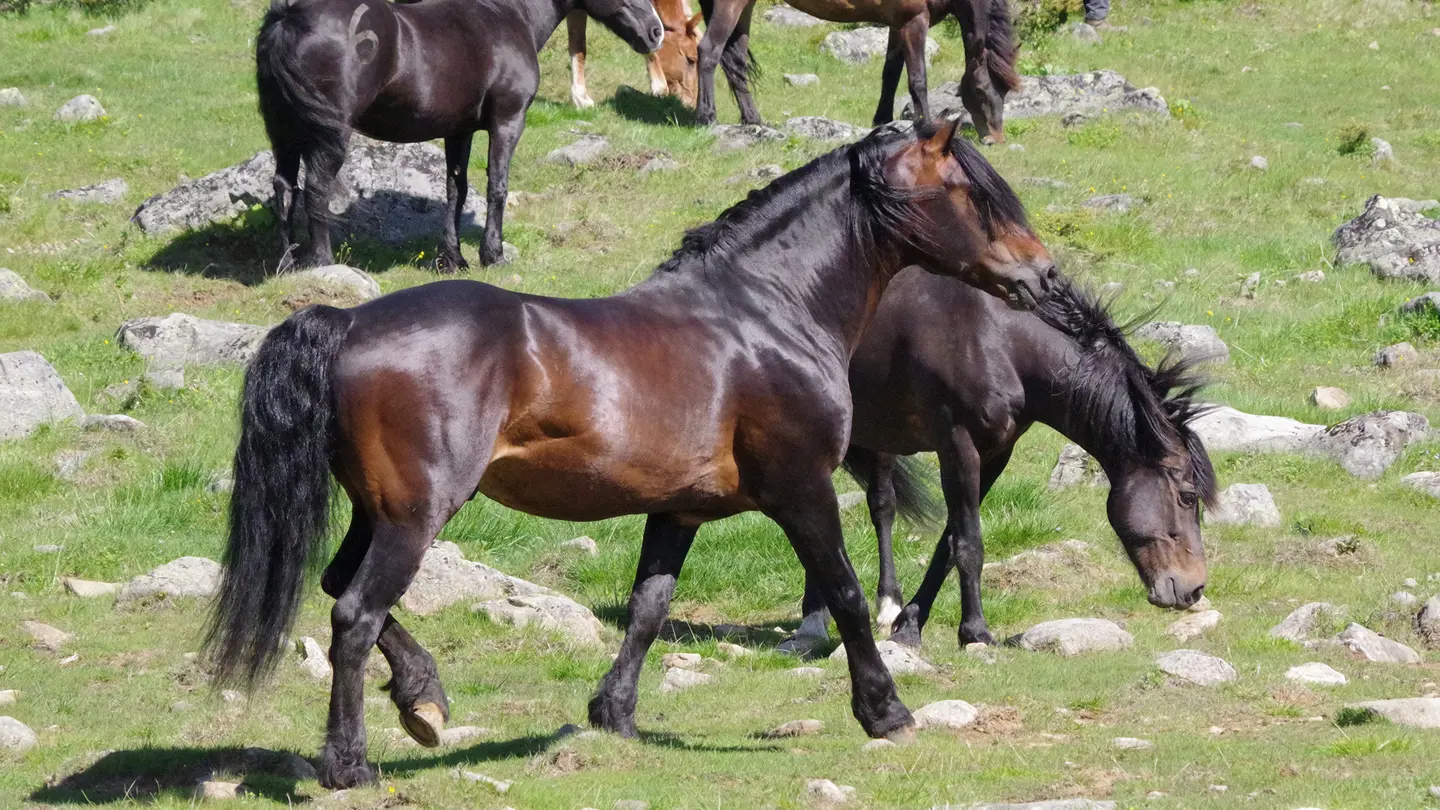
Another important outcome was that a new reference genome developed from the Finnhorse identified more genetic variants in Nordic horse breeds than the traditional reference genome based on the English Thoroughbred. This opens the door to more accurate genetic analyses and improved tools for future breeding and conservation programmes.

The project has also resulted in a Master's thesis on the genetic diversity and population structure of the Faroese Horse, contributing further knowledge about one of the Nordic region's most vulnerable breeds.
Demonstrating the strength of Nordic cooperation
The award underlines both the scientific quality of the research and its practical relevance. At the same time, the project serves as a clear example of how Nordic cooperation can achieve results that would be difficult for individual countries to accomplish independently.
By combining expertise, genetic resources and data from across the region, the researchers have developed a comprehensive understanding of the genetic status of Nordic horse breeds. This knowledge can help safeguard Nordic animal genetic resources for future generations.
The work is continuing, with several additional scientific papers expected to be published over the coming years. These studies will provide further insights to support the conservation and sustainable development of Nordic horse breeds.
Facts
The Swedish-Norwegian Foundation for Equine Research (SHF) funds Swedish and Norwegian equine research in areas including veterinary medicine, animal science, breeding, and the social sciences. The Horse Research Project of the Year award is presented to research that has delivered particularly valuable outcomes for horses, the equine industry, and society at large.