
Can oats help climate-proof our food systems? AVENUE project is set to find out
Denmark is a global leader when it comes to sustainable farming. The country has the second highest organic market share worldwide, is a major exporter of organic products, and has launched initiatives such as the Innovation Centre for Organic Farming.
However, as climate change intensifies and global food systems face increasing uncertainty – how can Denmark stay ahead, while also meeting the national target of being climate neutral by 2050?
A key solution may lie in a grain with great potential: oats.

Growing challenge
Agri-food systems play a major part in the green transition, accounting for about one-third of total anthropogenic greenhouse gas emissions, according to the Food and Agriculture Organization of the United Nations (2025). At the same time, there is an increasing need to produce sufficient food, feed, and fuel.
In addressing this dilemma, land-based mitigation measures represent some of the most important options available today. Some of the solutions include: using the right crops in the right place, reducing use of inputs, robust systems that can cope with climate variability, and food that delivers high benefits per unit of climate impact.
This is where oats come in.
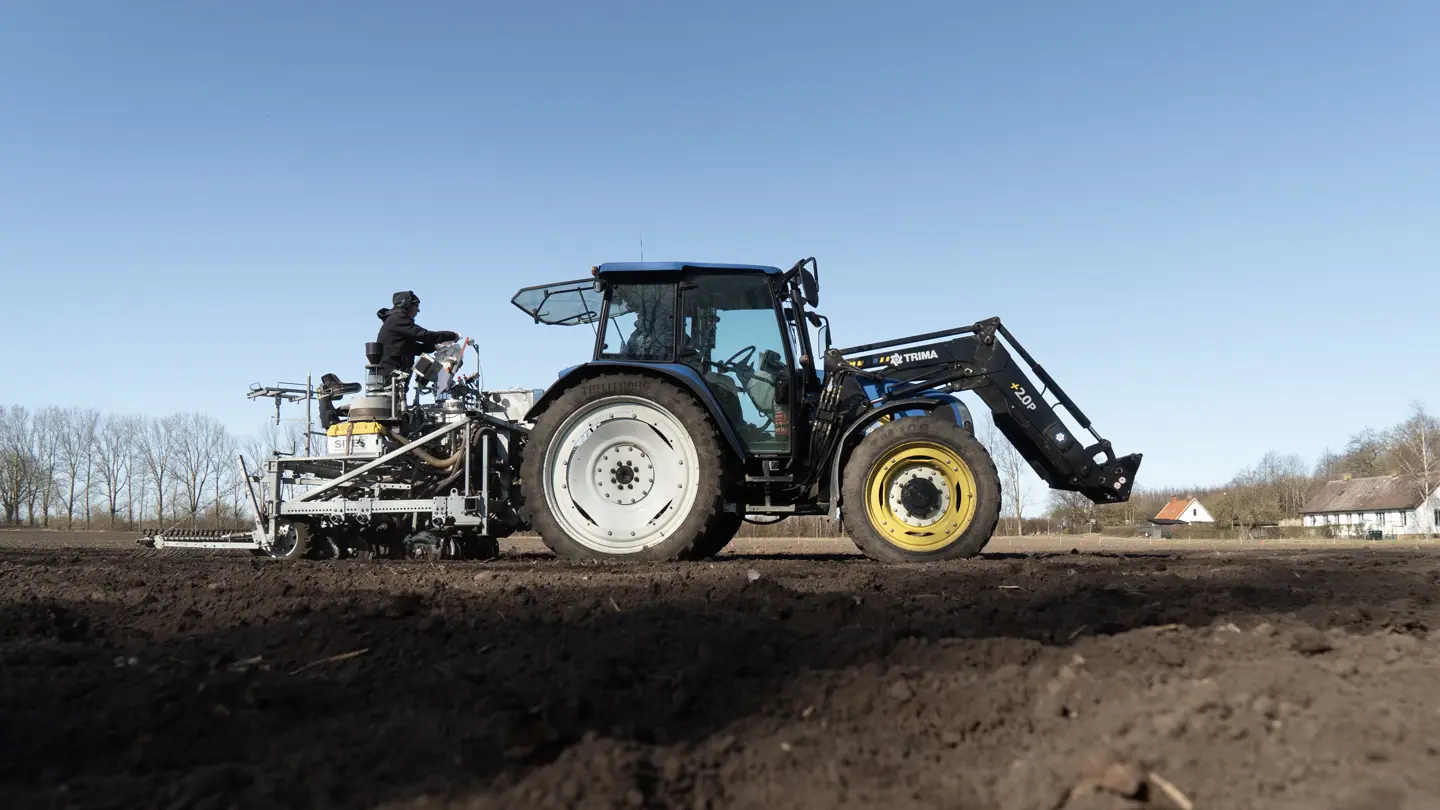
Oat has a low carbon footprint and requires low inputs thanks to its low demand for nitrogen, its low susceptibility to diseases, and its ability to cope effectively against weeds. In addition, it is one of the largest organically produced crops in Denmark today. Now, the project AVENUE is bringing together experts in plant genetics, agronomy, and mathematics to harness the unique properties of oats.
Project leader Sidsel Birkelund Schmidt, Senior Adviser at the Innovation Centre for Organic Farming, explains:
"Oat is particularly well suited to organic production in northern Europe because of its robustness and adaptability. However, the key issue for oat producers is the lack of stability in year-to-year supply and quality, largely due to seasonal fluctuations in environmental factors. We're therefore focusing on the need to develop resilient oat cultivars and address some of the emerging challenges of the food industry to help secure food production," says Sidsel Birkelund Schmidt.

The project will evaluate 200 oat varieties, of which 180 originate from the Nordic seed collection conserved by NordGen. In total, around 1 000 seed samples of oats are safeguarded by the Nordic countries' joint genebank.
"In this selection, we believe we can identify the most interesting traits in this context, which may prove significant for future research and plant breeding in Denmark, but also in other Nordic countries and in Scotland. By collecting more knowledge about the seed samples, we facilitate the utilisation of the seed collection to create better varieties in the future," says Jan Svensson, NordGen's Senior Scientist responsible for the cereal collection.
Based on the data, AVENUE will deliver new breeding material tailored to different climate scenarios to future-proof sustainable oat production. But the project will also focus on the health benefits of oats.
Sowing solutions
Oats are among the healthiest grains on earth – rich in protein, minerals, antioxidants and β-glucan fibre, associated with reduction in cholesterol levels and improved blood sugar control. These nutrient contents will also be examined in detail as part of AVENUE to support health-promoting oat production.
"The goal is to identify a 'super oat' with high nutritional value and stable performance in sustainable organic farming. In field trials at three locations last year, we found large differences among our 200 oat varieties in agronomic traits like yield, heading date, plant height, and panicle shape. Now, we are analysing the grains for quality traits, but also repeating last year’s field trials to capture seasonal variation," says Sidsel Birkelund Schmidt.
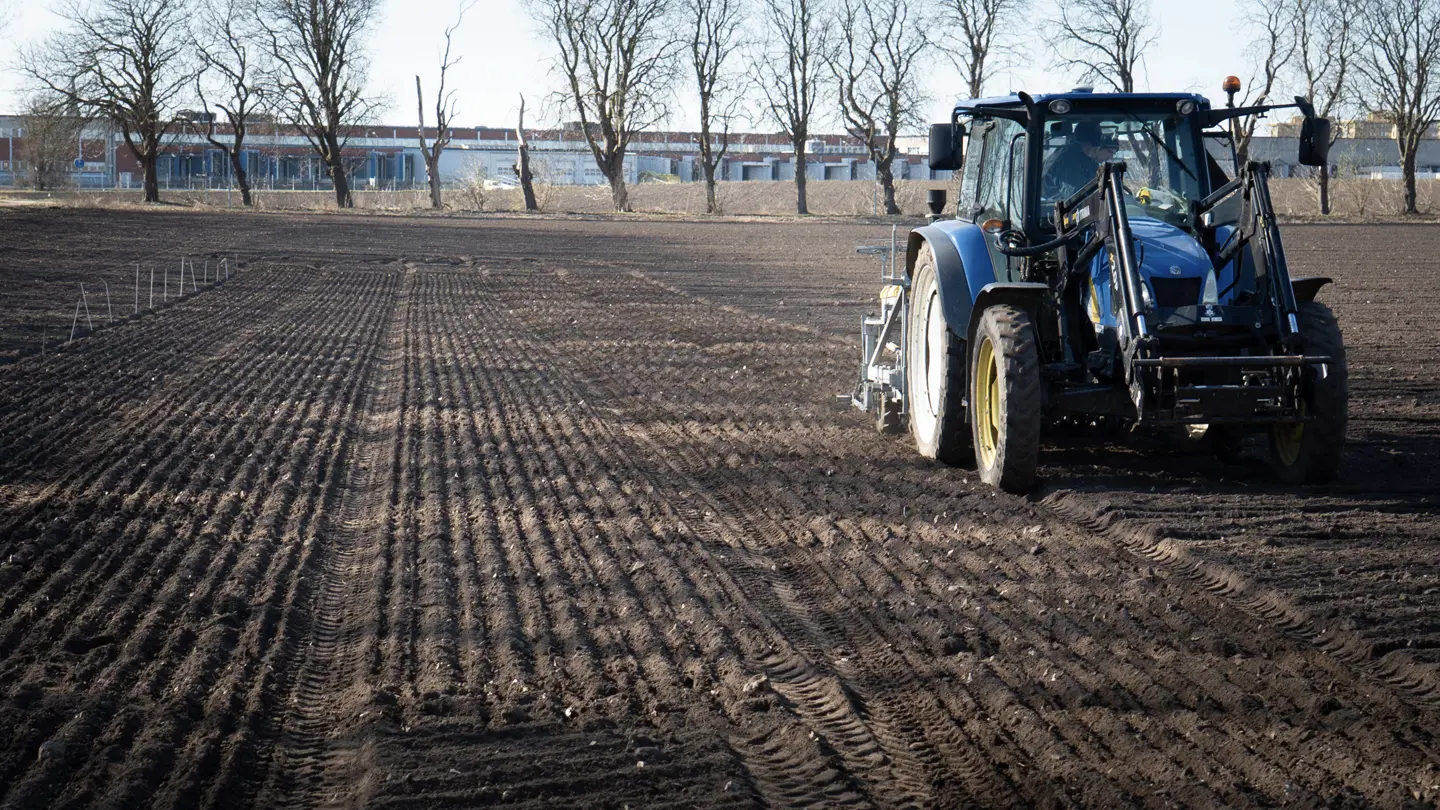

The project's three-pronged approach – bringing together nutritious, reliable, and climate-resilient oats under organic conditions – aims to contribute to Denmark's as well as the world's sustainability ambitions.
AVENUE is taking concrete steps towards this goal, as the 200 oat varieties were recently sown in NordGen's fields. With trials now underway in three countries – Sweden, Denmark, and Scotland – we hope the seeds have taken root in good soil and look forward to seeing the results over a two-year period.
The project AVENUE is funded by the Novo Nordisk Foundation and will run during 2025-2027. Data collected in the project will be entered in the Nordic Baltic Genebanks Information System (GENBIS), making it publicly available to breeders and the wider oat research community.
Project partners
- Innovation Centre for Organic Farming (Project leader: Sidsel Birkelund Schmidt)
- NordGen
- Aarhus University – Center for Quantitative Genetics and Genomics
- The James Hutton Institute – Cell and Molecular Sciences