
Nordic melons
About the project
Project period: 2026–2027
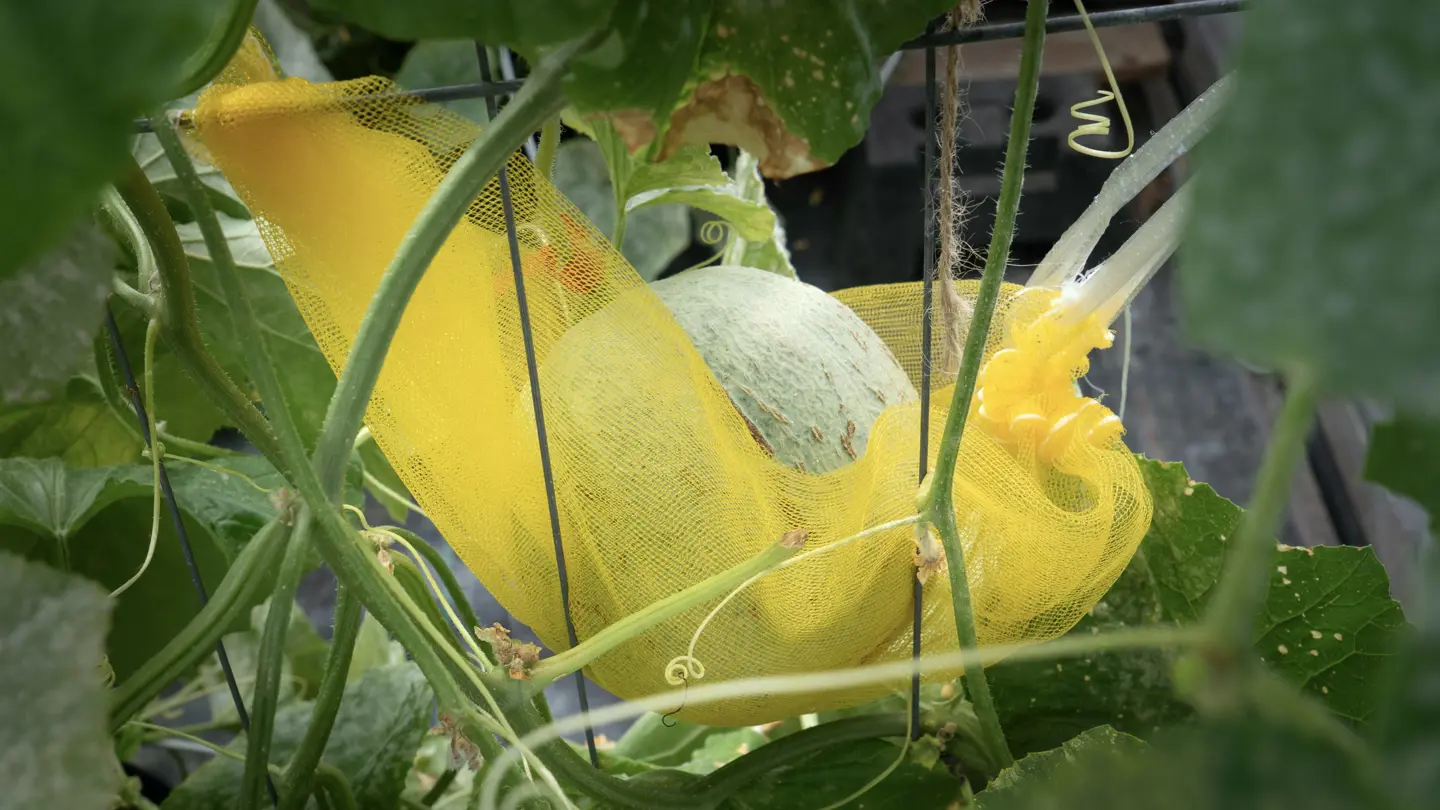
The project Nordic Melons: Cultivation history and characterisation of old Nordic melon (Cucumis melo) varieties aims to evaluate eleven historical Nordic melon varieties preserved at NordGen and international genebanks. By combining archival research with field and greenhouse trials, the goal is to identify low-input and climate-adapted varieties with the potential to be reintroduced into Nordic cultivation. Also, the project will document the cultural and horticultural heritage of these melon varieties.
Melon cultivation in the Nordic countries dates back to at least the 17th century, thriving through specialised technologies such as orangeries and manure-heated hotbeds. By the mid-20th century, regional self-sufficiency was high. However, cheap imports from Southern Europe and South America subsequently drove Nordic production to near-extinction.
The import-dependent model carries two critical risks:
- Supply chain and food security risks – long-distance transport (high CO₂), intensive pesticide use, and risk of aflatoxin contamination during transit
- A missed climate opportunity – rising temperatures are increasing the viability of low-input open-field melon cultivation in the Nordic region
NordGen's heritage accessions could be carrying the traits needed for a sustainable revitalisation of Cucumis melo cultivation in the Nordic region. In addition, the project's findings may help meet the growing demand for organic, locally produced food among retailers, restaurateurs, and consumers, thereby driving local economy.
This project builds on an earlier NordGen pilot study that developed optimised agro-technical protocols for melon cultivation.
The project is led by NordGen’s Senior Scientist Pawel Chrominski, please contact him for more information about the initiative (firstname.lastname@nordgen.org or +46 (0)735 258 425).