Bleset sheep
Bleset sheep belongs to the group of long-tailed crossbred sheep.
The origin of the breed is somewhat uncertain. It may be a cross between black Rygja sheep and Norwegian Spel sheep from the 1920s, but it could also descend from the Zwartbles-sheep originating from the Netherlands.
Bleset sheep are known for their good maternal qualities and high fertility, and it is claimed that they have good resistance against alveld disease (also known as Elf fire or hepatogenous photosensitivity).
Bleset sheep
Native name: Blæset sau.
Weight: 95-125 kg (rams) and 75-95 kg (ewes).
Appearance: The breed is easily recognisable by the white blaze that has given the breed its name. The wool colour is black in lambs and young sheep, and becomes browner or greyer with age. The tail should be long and black with a white tail tip. The legs may have white "socks".
Type: Long-tailed, crossbred (i.e., single coated wool).
Number of breeding females (2024): 3,408.
Not at Risk – Vulnerable – Endangered – Critically Endangered – Extinct

Read more about our other native breeds
-
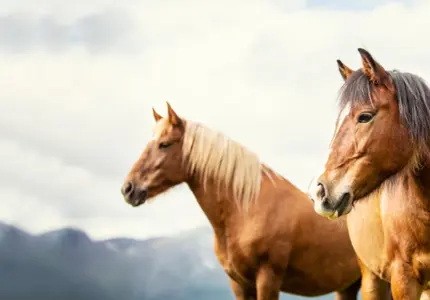
Nordland/Lyngen Horse
The first known and documented exhibition where this breed participated, was in 1898 at Lyngseidet in Troms. In the 1930s, organized breeding of Nordland/Lyngen horses started.
-
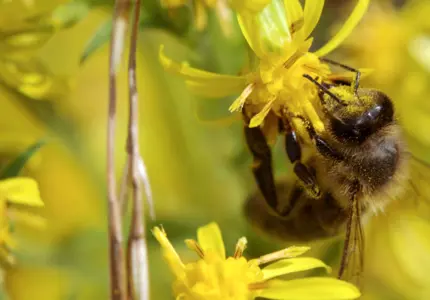
The Nordic brown bee
Honey bees are threatened by intensive agriculture, habitat loss and climate changes worldwide and are important to conserve, not only due to their honey production but also due to their pollination services.
-
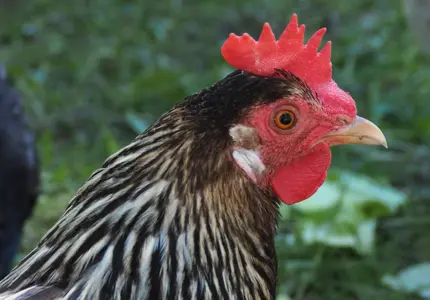
Finnish Landrace Chicken
In 1974, the agricultural advisory agency collaborated with Seiskari and published a call to find remains of the Finnish landrace chicken. As a result, one flock was found in South-East Finland. This family line was named after its geographical location as “Savitaipaleenkanta”.