Gotland sheep
The Gotland sheep has its originates from Gotland. Through selection for size and fur quality, the Gotland sheep has developed into an efficient breed for the production of meat and fur skins.
Due to their mobility and good ability to utilize varied pastures, the Gotland sheep are very suitable for Nordic landscape maintenance.
Gotland sheep are strong seasonal breeders, and have a lively temperament. When grazing, they often more spread out over the terrain than sheep of other breeds, but they have a distinct herd instinct and work well together with herding dogs. The sheep have good maternal characteristics, high fertility, and low maintenance requirements, which are appreciated in crossbreeding programs with Gotland sheep as the mother breed.
Gotland sheep
Name: Gotland sheep.
Native name: Gotlandsfår.
Weight: 55-90 kg (ewes) and 80-120 kg (rams).
Appearance: The colour scale can vary from white to black. However, the breeding goal is a clean and clear colour shade from light grey to dark grey, evenly spread over the skin. The adult animals are grey with black heads and legs. White marks sometimes appear on the head and legs.
Type: Short-tailed.
Wool: Glossy and silk-like pelt wool, with coily fibres.
Number of offspring: Two lambs, but triplets are also common.
Number of breeding females in Sweden (2022): 17 292.
Not at Risk – Vulnerable – Endangered – Critically Endangered – Extinct

Read more about our other native breeds
-
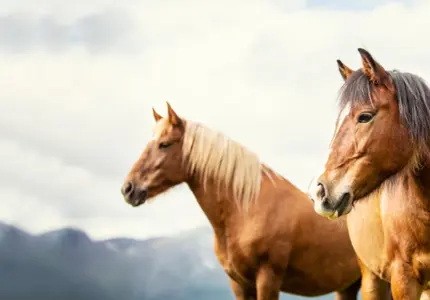
Nordland/Lyngen Horse
The first known and documented exhibition where this breed participated, was in 1898 at Lyngseidet in Troms. In the 1930s, organized breeding of Nordland/Lyngen horses started.
-
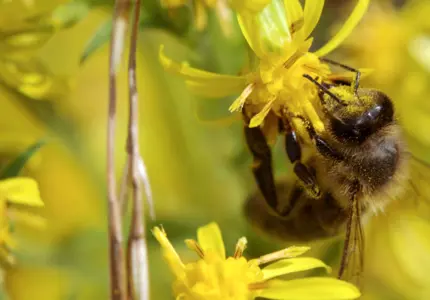
The Nordic brown bee
Honey bees are threatened by intensive agriculture, habitat loss and climate changes worldwide and are important to conserve, not only due to their honey production but also due to their pollination services.
-
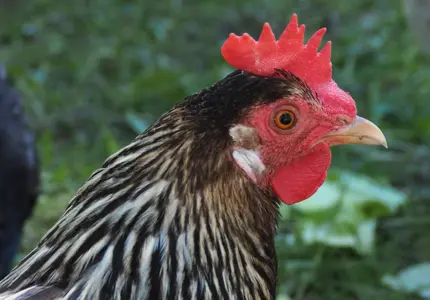
Finnish Landrace Chicken
In 1974, the agricultural advisory agency collaborated with Seiskari and published a call to find remains of the Finnish landrace chicken. As a result, one flock was found in South-East Finland. This family line was named after its geographical location as “Savitaipaleenkanta”.