Gute sheep
Gute sheep originates from Gotland, and is a close relative of the Gotland sheep. This breed is described as excellent for landscape management.
The Gute sheep is well suited for landscape management because the breed likes to forage among bushes and in lighter forest soil. Their body structure gives them the advantage of moving easily in fairly rugged terrain. They are hardy and well adapted to changing weather conditions.
Gute sheep
Name: Gute sheep.
Native name: Gutefår.
Weight: 45-60 kg (ewes) and 70-100 kg (rams).
Wither height: 67 cm (ewes) and 73-76 cm (rams).
Appearance: The colour varies from black over the entire grey scale to white. Sometimes there are elements of brown shades. The white sheep sometimes have larger or smaller reddish-yellow spots in the coat. In yearling lambs, the outer parts of the wool piles are usually "sunburned" brown in autumn. Spotted animals occur. The change of wool is strictly seasonal and takes place in early summer, when the old hair sheds
Type: Short tail.
Wool: The wool of the lambs is soft and smooth, older animals have coarser wool, often filled with kemp, which is an important function for the airiness of the coat and its ability to retain heat.
Horns: Both ewes and rams have horns.
Birth weight: 1.5-3 kg.
Number of breeding females in Sweden (2022): 1 695.
Not at Risk – Vulnerable – Endangered – Critically Endangered – Extinct

Read more about our other native breeds
-
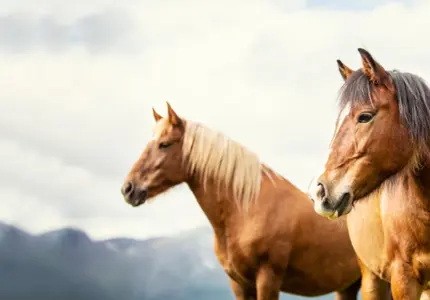
Nordland/Lyngen Horse
The first known and documented exhibition where this breed participated, was in 1898 at Lyngseidet in Troms. In the 1930s, organized breeding of Nordland/Lyngen horses started.
-
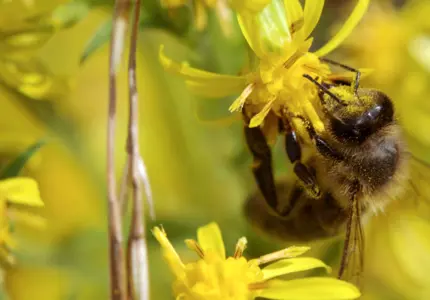
The Nordic brown bee
Honey bees are threatened by intensive agriculture, habitat loss and climate changes worldwide and are important to conserve, not only due to their honey production but also due to their pollination services.
-
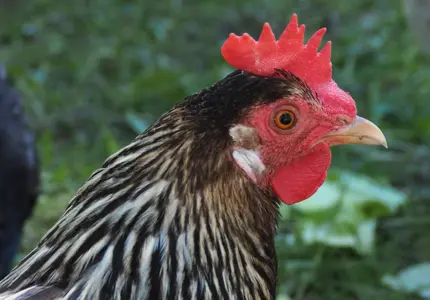
Finnish Landrace Chicken
In 1974, the agricultural advisory agency collaborated with Seiskari and published a call to find remains of the Finnish landrace chicken. As a result, one flock was found in South-East Finland. This family line was named after its geographical location as “Savitaipaleenkanta”.