Rya sheep
The Rya sheep is believed to be descended from the short-tailed sheep of Northern Europe. It is a medium-sized sheep with relatively short legs and a thick fleece.
Thanks to long-term selective breeding, the Ryafår sheep's wool has long, shiny guard hairs (the outer layer) with little kemp (hollow hair fibres). The Ryafår is characterized by this distinctive wool, which is strong, soft, and wavy, and is used in traditional Ryafår rugs.
The Ryafår Association was founded in 1978 and works systematically to preserve and breed the Ryafår as a purebred. In 1915, the breed was "rediscovered" during a search for sheep with strong, lustrous wool, and two years later, organized breeding began with the registration of the animals in a separate herd book. This work has been crucial for the breed’s management today.
Rya sheep
Name: Rya sheep.
Native name: Ryafår.
Weight: 60-80 kg (ewes), 70-100 kg (rams).
Appearance: Comes in several colours. The face, forehead, crown, and cheeks are wool-free. The ears are small.
Type: Short-tailed (approximately 15 cm and wool-free).
Wool: Rya type wool. Should not have more than 2 waves/5 cm, and the wool length at 120 days should be at least 15 cm.
Number of offspring: 2-3 lambs.
Birth weight: 2.5-3 kg.
Number of breeding females in Sweden (2022): 826.
Not at Risk – Vulnerable – Endangered – Critically Endangered – Extinct

Read more about our other native breeds
-
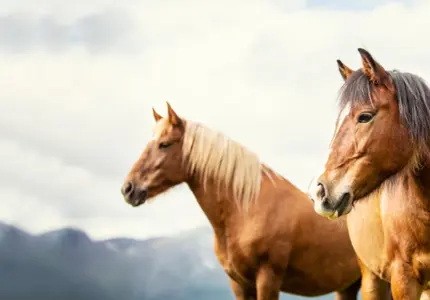
Nordland/Lyngen Horse
The first known and documented exhibition where this breed participated, was in 1898 at Lyngseidet in Troms. In the 1930s, organized breeding of Nordland/Lyngen horses started.
-
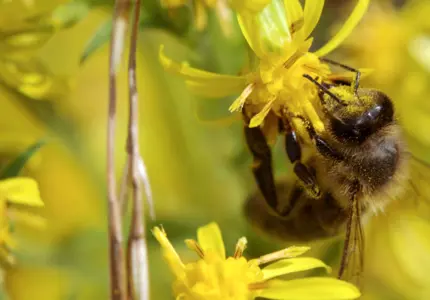
The Nordic brown bee
Honey bees are threatened by intensive agriculture, habitat loss and climate changes worldwide and are important to conserve, not only due to their honey production but also due to their pollination services.
-
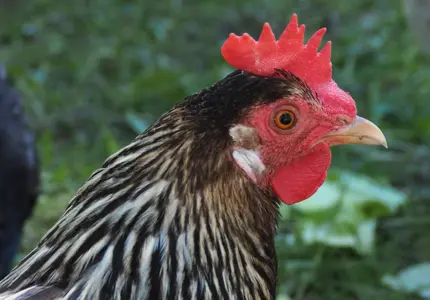
Finnish Landrace Chicken
In 1974, the agricultural advisory agency collaborated with Seiskari and published a call to find remains of the Finnish landrace chicken. As a result, one flock was found in South-East Finland. This family line was named after its geographical location as “Savitaipaleenkanta”.