Rygja sheep
Rygja sheep were bred in Rogaland and are hardy and frugal sheep that do well on mountain pastures.
The breed situation at the turn of the last century was very unclear. The sheep found in the area were mixtures of old village sheep (possibly Spel sheep) and one or more British breeds. Leicester, Sutherland, Southdown and Merino were imported and spread through the breeding trade in the 18th and 19th centuries.
Together with Dala and Steigar, Rygja sheep formed the basis of the Norwegian White sheep.
Rygja sheep
Native name: Rygjasau.
Weight: 100-130 kg (rams) and 75-95 kg (ewes).
Appearance: Rygja sheep is somewhat smaller and less coarsely built than Dala sheep. It has a black nose and hooves, and a shiny, glossy coat of hair on the head and legs that probably originate from the Norwegian Spel sheep. It may have black spots in the coat and face and on the legs. It is good for meat production, and the wool is known to be shiny and almost free from medullation.
Type: Long-tailed, crossbred (i.e., single coated wool).
Number of breeding females (2024): 2,717.
Not at Risk – Vulnerable – Endangered – Critically Endangered – Extinct

Read more about our other native breeds
-
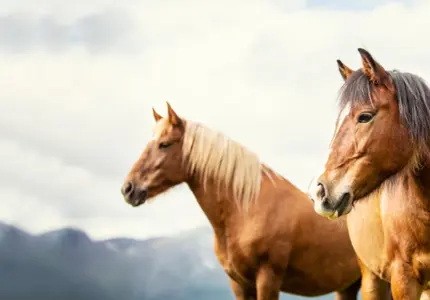
Nordland/Lyngen Horse
The first known and documented exhibition where this breed participated, was in 1898 at Lyngseidet in Troms. In the 1930s, organized breeding of Nordland/Lyngen horses started.
-
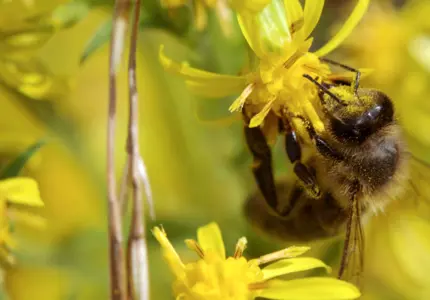
The Nordic brown bee
Honey bees are threatened by intensive agriculture, habitat loss and climate changes worldwide and are important to conserve, not only due to their honey production but also due to their pollination services.
-
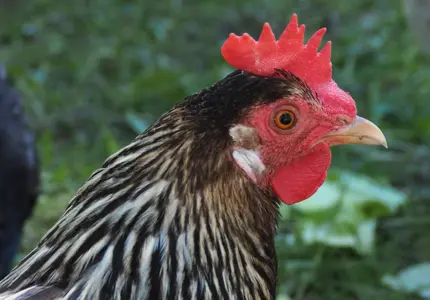
Finnish Landrace Chicken
In 1974, the agricultural advisory agency collaborated with Seiskari and published a call to find remains of the Finnish landrace chicken. As a result, one flock was found in South-East Finland. This family line was named after its geographical location as “Savitaipaleenkanta”.