Svärdsjö sheep
Svärdsjö sheep originate from Svärdsjö in Dalarna and until the early 1950s, all farms in the village and the neighboring village of Bengtsheden had this type of sheep.
The sheep were kept together in the same mountain pasture during the summer. Svärdsjö sheep are small sheep belonging to the group of sheep referred to as Allmoge sheep. They are very efficient and skilled grazing animals and have a pronounced flock sense, which makes them good household sheep.
Svärdsjö sheep
Name: Svärdsjö sheep.
Native name: Svärdsjöfår.
Weight: 40-60 kg (ewes) and 50-70 kg (rams).
Wither height: Ewes are 55-65 cm. Rams are a little taller.
Appearance: Normally white, but black sheep with white patterns can occur.
Type: Short-tailed.
Wool: Often very fine-fibred and soft: Fine wool with a tightly knotted fur cap is most common. Rya-type wool can also occur.
Horns: Ewes are polled, rams have horn buds.
Number of offspring: 1-2 lambs. Three can occur.
Not at Risk – Vulnerable – Endangered – Critically Endangered – Extinct

Read more about our other native breeds
-
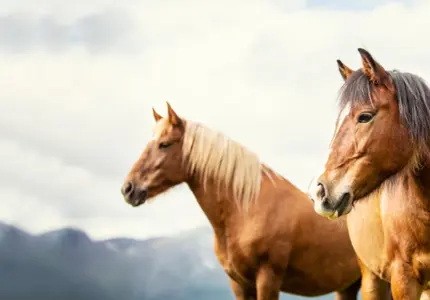
Nordland/Lyngen Horse
The first known and documented exhibition where this breed participated, was in 1898 at Lyngseidet in Troms. In the 1930s, organized breeding of Nordland/Lyngen horses started.
-
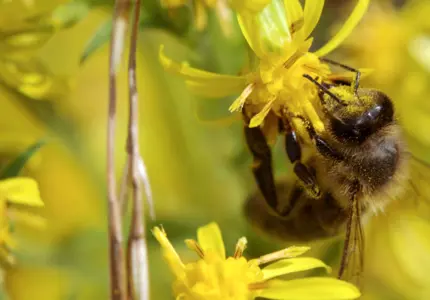
The Nordic brown bee
Honey bees are threatened by intensive agriculture, habitat loss and climate changes worldwide and are important to conserve, not only due to their honey production but also due to their pollination services.
-
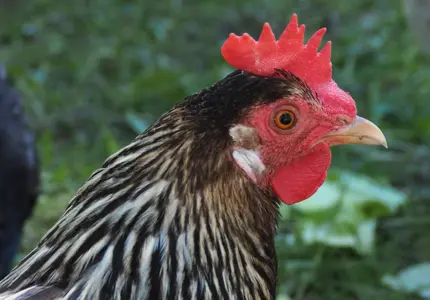
Finnish Landrace Chicken
In 1974, the agricultural advisory agency collaborated with Seiskari and published a call to find remains of the Finnish landrace chicken. As a result, one flock was found in South-East Finland. This family line was named after its geographical location as “Savitaipaleenkanta”.