Dala sheep
During the 1860s, Leicester sheep were imported to several places in the country, including Vik in Sogn and Halsnøy in Sunnhordland.
From Vik, the breed spread to Voss, where it was crossed with the old local sheep in the village. In Voss, a state exhibition for small livestock was held annually from 1919, and the Leicester mixes made such a strong impression that they eventually received the name "Vossa sheep" (vossasau in Norwegian).
Around 1920, there was a type of sheep in Sirdal and neighbouring villages that resembled the Vossa sheep, and these were not separated into a separate class at the exhibition. In 1923, these sheep were merged with the Vossa sheep and the final name for the breed became Dala sheep.
Dala sheep are known for their long, soft wool with a good sheen. They are described as calm and trusting, and are sheep that take good care of their lambs. Together with Rygja and Steigar sheep, Dala sheep formed the basis for the Norwegian White sheep (NWS), which is the most common sheep breed in Norway today.
Dala sheep
Native name: Dalasau.
Weight: 120-150 kg (rams) and 80-100 kg (ewes).
Appearance: Usually white, but can also be grey and black. Polled, large, and coarsely built. Typical breed characteristics are a broad neck, large drooping ears, and a broad muzzle with a black nose. The back is long, broad, and well-fleshed.
Type: Long-tailed, crossbred (i.e., single coated wool).
Number of offspring: Usually twins, but triplets and singletons can occur.
Autumn weight: 50-60 kg.
Slaughter weight: 20-25 kg.
Number of breeding females (2024): 908.
Not at Risk – Vulnerable – Endangered – Critically Endangered – Extinct

Read more about our other native breeds
-
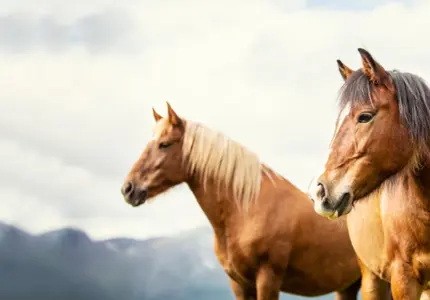
Nordland/Lyngen Horse
The first known and documented exhibition where this breed participated, was in 1898 at Lyngseidet in Troms. In the 1930s, organized breeding of Nordland/Lyngen horses started.
-
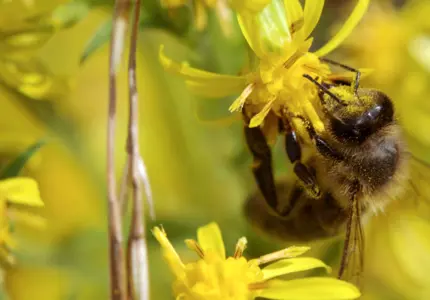
The Nordic brown bee
Honey bees are threatened by intensive agriculture, habitat loss and climate changes worldwide and are important to conserve, not only due to their honey production but also due to their pollination services.
-
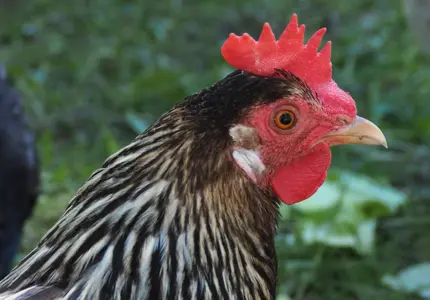
Finnish Landrace Chicken
In 1974, the agricultural advisory agency collaborated with Seiskari and published a call to find remains of the Finnish landrace chicken. As a result, one flock was found in South-East Finland. This family line was named after its geographical location as “Savitaipaleenkanta”.