Norwegian Fur sheep
The Norwegian fur sheep is a Norwegian landrace that was formally approved in 1968.
The breed originated from crossing Swedish Gotland sheep and the "grey blue" variety of Norwegian Spel sheep, and semen has been imported from Sweden on several occasions to contribute to the breeding programme – the last import was around 2020.
Norwegian fur sheep have many important characteristics. They are good mothers with high fertility, easy lambing, and strong maternal characteristics. The fur characteristics of this breed are particularly important.
Norwegian Fur sheep
Native name: Norsk pelssau.
Weight: 80-110 kg (rams) and 60-90 kg (ewes).
Appearance: Light grey to dark grey. Small head with short eyes, a broad back, chest and croup. The bone structure is fine, and the breed can have longer wool on their legs than many other breeds. Both males nor females are naturally polled.
Type: Short-tailed, bred for high-quality pelts (single coated).
Number of breeding females (2024): 9,487.
Not at Risk – Vulnerable – Endangered – Critically Endangered – Extinct

Read more about our other native breeds
-
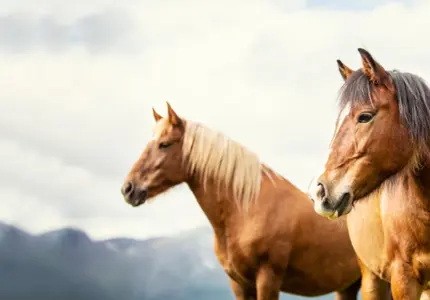
Nordland/Lyngen Horse
The first known and documented exhibition where this breed participated, was in 1898 at Lyngseidet in Troms. In the 1930s, organized breeding of Nordland/Lyngen horses started.
-
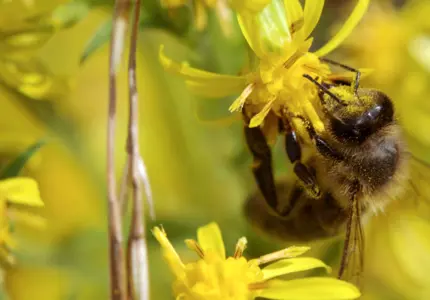
The Nordic brown bee
Honey bees are threatened by intensive agriculture, habitat loss and climate changes worldwide and are important to conserve, not only due to their honey production but also due to their pollination services.
-
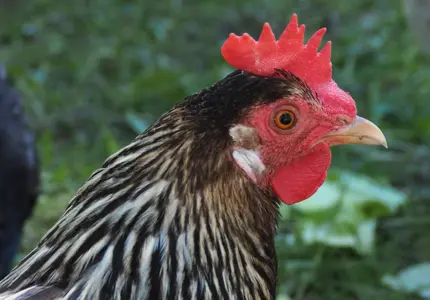
Finnish Landrace Chicken
In 1974, the agricultural advisory agency collaborated with Seiskari and published a call to find remains of the Finnish landrace chicken. As a result, one flock was found in South-East Finland. This family line was named after its geographical location as “Savitaipaleenkanta”.