Norwegian White sheep
The Norwegian White Sheep (NWS) is the most common breed of sheep in Norway.
In the 1970s, a great deal of effort was put into crossbreeding various Norwegian breeds (Dala, Steigar and Rygja sheep) with foreign crossbreeds in order to produce a more fertile, fast-growing and meaty sheep. The breed name Norwegian White Sheep itself was introduced in 2000/2001. The main breeds in NWS are Dala, Steigar and Rygja sheep in addition to some foreign breeds such as Finnsheep and Texel.
NWS is efficient – it has a high feed intake, good lambing numbers and good growth, which makes it very popular for lamb and meat production.
Norwegian White sheep
Native name: Norsk kvit sau (NKS).
Weight: 80-100 kg (ewes).
Appearance: White, both sexes are naturally polled. The sheep should have fine bone structure and head, good height and a long, wide and sloping croup.
Type: Long-tailed, crossbred (i.e., single coated wool).
Number of breeding females (2024): 255 799.
Not at Risk – Vulnerable – Endangered – Critically Endangered – Extinct

Read more about our other native breeds
-
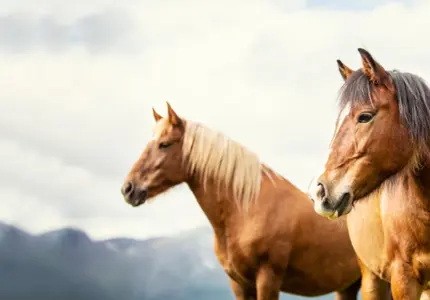
Nordland/Lyngen Horse
The first known and documented exhibition where this breed participated, was in 1898 at Lyngseidet in Troms. In the 1930s, organized breeding of Nordland/Lyngen horses started.
-
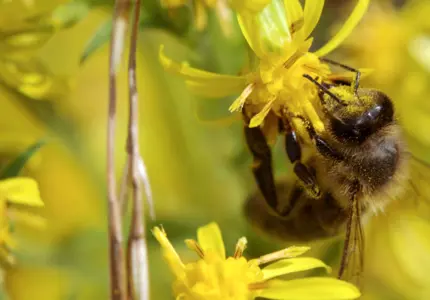
The Nordic brown bee
Honey bees are threatened by intensive agriculture, habitat loss and climate changes worldwide and are important to conserve, not only due to their honey production but also due to their pollination services.
-
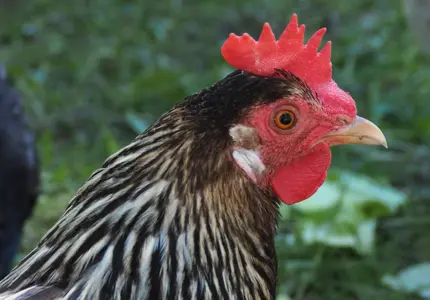
Finnish Landrace Chicken
In 1974, the agricultural advisory agency collaborated with Seiskari and published a call to find remains of the Finnish landrace chicken. As a result, one flock was found in South-East Finland. This family line was named after its geographical location as “Savitaipaleenkanta”.