Old Norwegian sheep
Old Norwegian sheep belong to the group "Northern European short-tailed sheep", which is considered the origin of today's short-tailed sheep in various forms from Russia, Scotland, Finland, Sweden, the Faroe Islands, Iceland, and Greenland.
The Old Norwegian sheep is a descendant of the first sheep that came to Norway 4000–5000 years ago, and is considered the most original type of sheep in the country.
Old Norwegian sheep have great historical value and are grazing animals that play an important role in preserving the cultural landscape, for example, by preserving coastal areas. The breed has great genetic diversity and many unique characteristics related to being self-sufficient. Some examples are lambing ease, strong herd instincts, natural shedding of wool, good maternal instinct, and high resistance to disease.
Old Norwegian sheep
Native name: Gammelnorsk sau.
Weight: 40-60 kg (rams) and on average 36 kg (ewes).
Appearance: A small sheep with horns. It has a short, pigmented, fine-fibered undercoat with some coarser hairs, and a somewhat longer coarser topcoat (guard hairs).
Type: Short-tailed, double-coated.
Number of breeding females (2024): 14,076.
Not at Risk – Vulnerable – Endangered – Critically Endangered – Extinct

Read more about our other native breeds
-
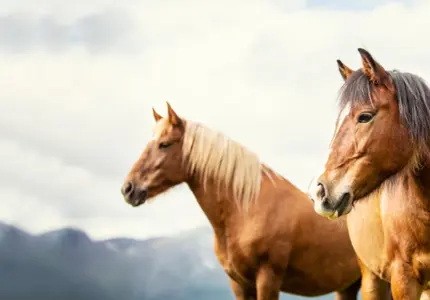
Nordland/Lyngen Horse
The first known and documented exhibition where this breed participated, was in 1898 at Lyngseidet in Troms. In the 1930s, organized breeding of Nordland/Lyngen horses started.
-
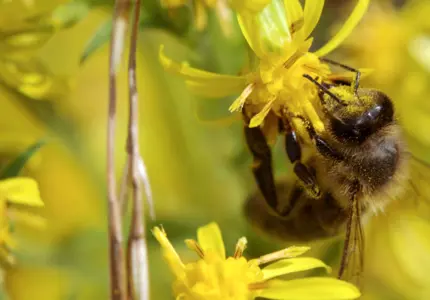
The Nordic brown bee
Honey bees are threatened by intensive agriculture, habitat loss and climate changes worldwide and are important to conserve, not only due to their honey production but also due to their pollination services.
-
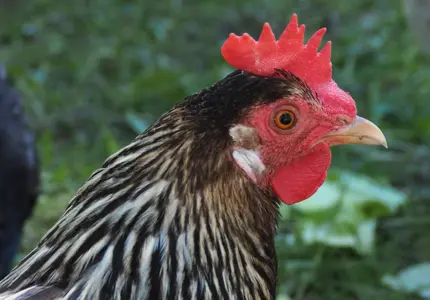
Finnish Landrace Chicken
In 1974, the agricultural advisory agency collaborated with Seiskari and published a call to find remains of the Finnish landrace chicken. As a result, one flock was found in South-East Finland. This family line was named after its geographical location as “Savitaipaleenkanta”.