Old Norwegian Spel sheep
The Old Norwegian Spel sheep originates from Old Norwegian sheep, which is the predecessor of today's spel breeds in Norway.
The breed represents an older type of spel sheep and has greater colour and horn variation than modern Norwegian Spel sheep. Until 1950, Old Norwegian Spel sheep and modern Norwegian Spel sheep had a fairly similar development – after this, the breeding work became more organised and efficient.
Old Norwegian Spel sheep share many characteristics with Old Norwegian sheep. They are light-legged and hardy, have strong herd instinct, good maternal instinct, and usually lamb with ease.
Old Norwegian Spel sheep
Native name: Gammelnorsk spælsau.
Appearance: Various colours can occur – black, blue, brown and white, with patterns such as mouflon, grelet (badger pattern) and English blue. Ewes and rams can be both horned and polled, but most individuals have horns. The bridge of the nose is straight, and the head has a characteristic triangular shape when viewed from both the side and the front. The ears are small and bent forward. The animals can be both tall and short-legged, long or compact, but the bone structure is slender.
Type: Short-tailed, double-coated.
Number of breeding females (2024): 13,477.
Not at Risk – Vulnerable – Endangered – Critically Endangered – Extinct

Read more about our other native breeds
-
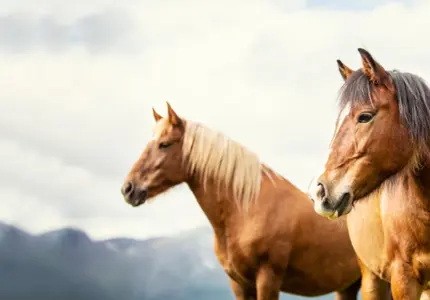
Nordland/Lyngen Horse
The first known and documented exhibition where this breed participated, was in 1898 at Lyngseidet in Troms. In the 1930s, organized breeding of Nordland/Lyngen horses started.
-
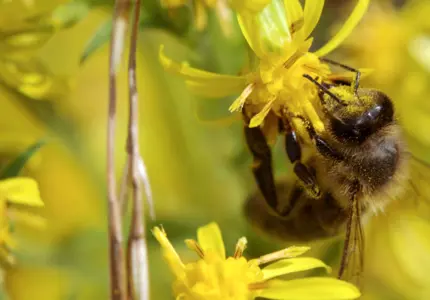
The Nordic brown bee
Honey bees are threatened by intensive agriculture, habitat loss and climate changes worldwide and are important to conserve, not only due to their honey production but also due to their pollination services.
-
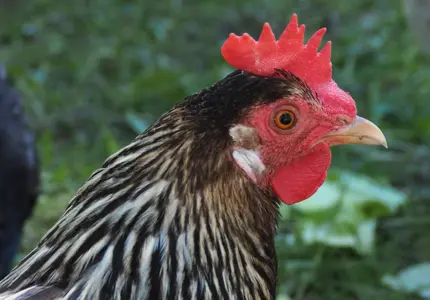
Finnish Landrace Chicken
In 1974, the agricultural advisory agency collaborated with Seiskari and published a call to find remains of the Finnish landrace chicken. As a result, one flock was found in South-East Finland. This family line was named after its geographical location as “Savitaipaleenkanta”.