Steigar sheep
Steigar sheep is a calm and productive breed with good wool-quality and strong maternal traits.
The breed was developed from a cross between imported Sutherland and local breeds from the area Steigen, Nordland (north of Norway) during the 1800s. These local breeds were descendants from the Old Norwegian Spel sheep. These crosses led to a sheep that was bigger and had more wool than the original Spel sheep, and it was also well adapted to the climate of Northern Norway.
The breed eventually became widespread in Nordland and Troms, and also in parts of Trøndelag. The first studbook was published in 1934, and in 1954 the Steigar sheep was recognized as a separate breed. Together with the Dala and Rygja sheep, the Steigar sheep formed the basis of the Norwegian White sheep (NWS).
Steigar sheep
Native name: Steigarsau.
Weight: 100-120 kg (rams) and 70-90 kg (ewes).
Appearance: A medium-sized sheep, tall with well-proportioned and small legs. The back of the Steiger sheep should be long and well-fleshed. The face is often recognizable due to the slightly curved bridge of the nose. The hair on the head is often not chalky white, but somewhat yellowish. Dark spots may occur, also on the ears, but the wool coat should be free of black hair. The nostrils and hooves should be black.
Type: Long-tailed, crossbred (i.e., single coated wool).
Number of breeding females (2024): 786.
Not at Risk – Vulnerable – Endangered – Critically Endangered – Extinct

Read more about our other native breeds
-
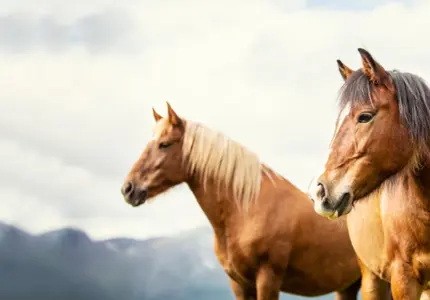
Nordland/Lyngen Horse
The first known and documented exhibition where this breed participated, was in 1898 at Lyngseidet in Troms. In the 1930s, organized breeding of Nordland/Lyngen horses started.
-
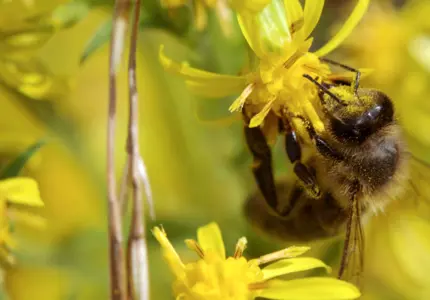
The Nordic brown bee
Honey bees are threatened by intensive agriculture, habitat loss and climate changes worldwide and are important to conserve, not only due to their honey production but also due to their pollination services.
-
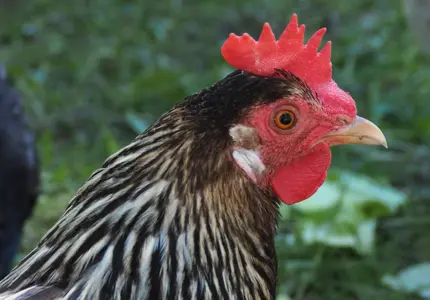
Finnish Landrace Chicken
In 1974, the agricultural advisory agency collaborated with Seiskari and published a call to find remains of the Finnish landrace chicken. As a result, one flock was found in South-East Finland. This family line was named after its geographical location as “Savitaipaleenkanta”.